Brussels Casino Concession Award Suspended by Administrative Court Over Procedural Issues
Alex Powell · Sep 2, 2026

Brussels Casino Concession Award Suspended by Administrative Court Over Procedural Issues
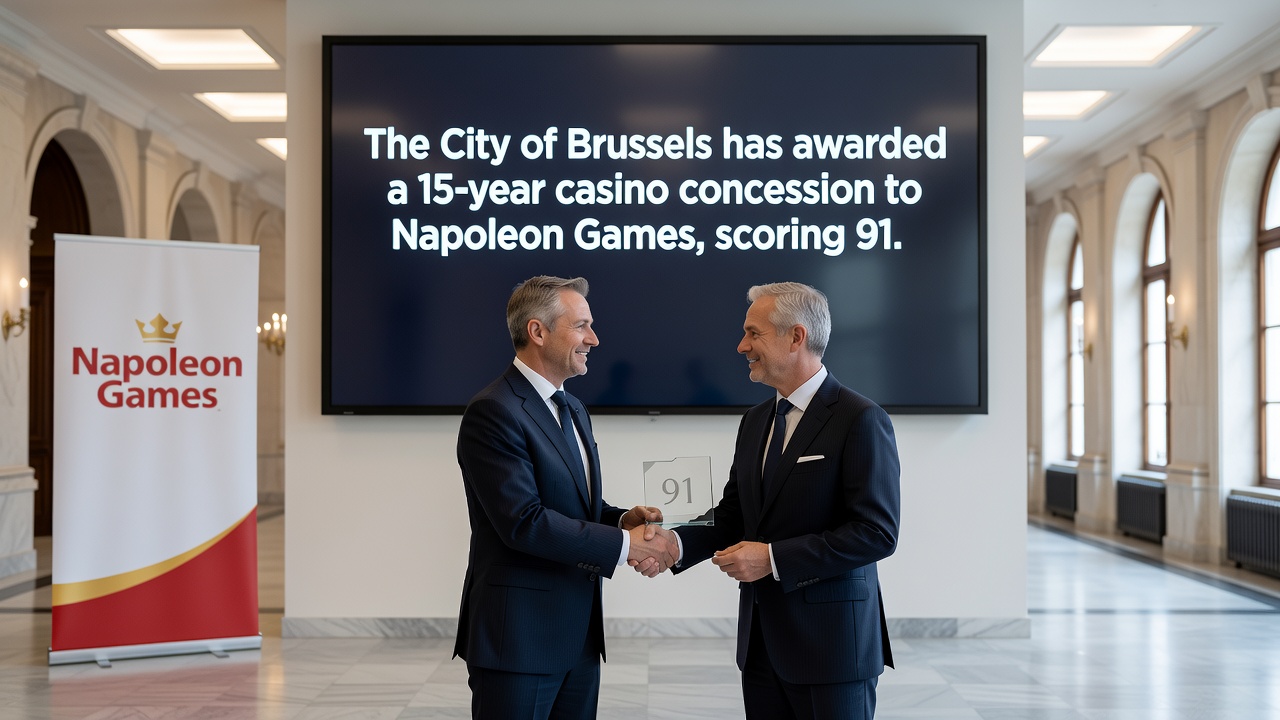
The City of Brussels awarded a 15-year casino concession to Napoleon Games after that operator scored 91.02 points against 87.74 points for the competing bidder, yet Belgium's Council of State has suspended the decision on procedural grounds because the city failed to complete a required European filing, and this suspension now halts the entire €750 million concession process.
Observers note that the award initially moved forward following the scoring evaluation, while the Council of State stepped in after identifying missing steps in the public procurement sequence. The required European filing refers to publication obligations under EU public procurement rules that ensure transparency across member states, and without it the process lacks full compliance according to the court's assessment.
Details of the Concession and Bidding Process
The concession spans 15 years and carries an estimated value of €750 million, which covers operations, development commitments, and revenue streams tied to the casino facility in Brussels. Napoleon Games secured the higher score during the evaluation phase, and city officials proceeded with the award based on that outcome before the legal challenge arose.
Those familiar with Belgian administrative procedures explain that the Council of State reviews such decisions when petitioners raise concerns about process integrity, and in this instance the court found sufficient grounds to issue a suspension order. The ruling focuses strictly on the procedural omission rather than the merits of either bid, which leaves the underlying scores untouched for now.
Role of the Council of State and Next Steps
Belgium's Council of State functions as the administrative court with authority over government contract disputes, and its suspension order pauses implementation while further review occurs. City officials must address the European filing requirement before the process can resume, and any restart would likely involve formal notification through the EU's Tenders Electronic Daily system.
Reports indicate the suspension took effect prior to September 2026, leaving the €750 million project in a holding pattern as parties prepare submissions for the next phase of legal examination. The competitor has not publicly detailed further actions, yet the framework allows for continued proceedings that could either uphold or overturn the original award.
European Procurement Requirements in Context
EU directives mandate that large-scale concessions exceeding certain thresholds receive publication in official European channels, and the absence of that step triggered the court's intervention here. According to information from the European Commission public procurement resources, such filings promote cross-border competition and reduce the risk of legal challenges after awards are made.
The City of Brussels now faces the task of correcting the filing gap, which could extend timelines by several months depending on response periods built into EU procedures. Stakeholders on both sides continue to monitor developments, and the outcome will determine whether the original scoring results stand or whether a fresh evaluation becomes necessary.
Implications for the €750 Million Process
This suspension directly stops all preparatory work tied to the concession, including site planning and operational setup that Napoleon Games had begun outlining after the award. Revenue projections linked to the 15-year term remain on hold, and local economic forecasts that incorporated the project now require adjustment until clarity returns.
Administrative courts in Belgium have issued similar suspensions in other procurement cases when procedural shortcuts surface, and the current ruling aligns with that established pattern. The focus stays on restoring proper sequence rather than re-scoring bids, which keeps attention on the European filing as the immediate priority.
Conclusion
The sequence of events shows how a high-scoring bid can still encounter delays when administrative requirements are not fully met, and the Council of State's action underscores the weight placed on European-level transparency rules. As September 2026 approaches, the parties await further court guidance that will shape whether the concession advances in its current form or requires additional steps to reach completion.